Top 5 Medical Electric Wheelchairs for Global Buyers?
In recent years, the demand for Medical Electric Wheelchairs has increased significantly. These advanced mobility devices provide a vital solution for individuals with limited mobility. They enhance independence and improve the quality of life for users worldwide. Selecting the right model can be overwhelming due to various options available.
Among countless choices, five Medical Electric Wheelchairs stand out for their features, reliability, and user satisfaction. These chairs offer a blend of comfort and technology, catering to diverse needs. However, buyers should be aware of their personal requirements. Consider factors such as battery life, weight capacity, and maneuverability. Each choice has its strengths and weaknesses.
While many manufacturers claim superiority, not all models deliver as promised. Therefore, it’s essential to research and compare options thoroughly. Reflecting on real user experiences can highlight potential pitfalls as well as advantages. This guide aims to provide valuable insights into the top choices available globally, helping buyers make informed decisions.
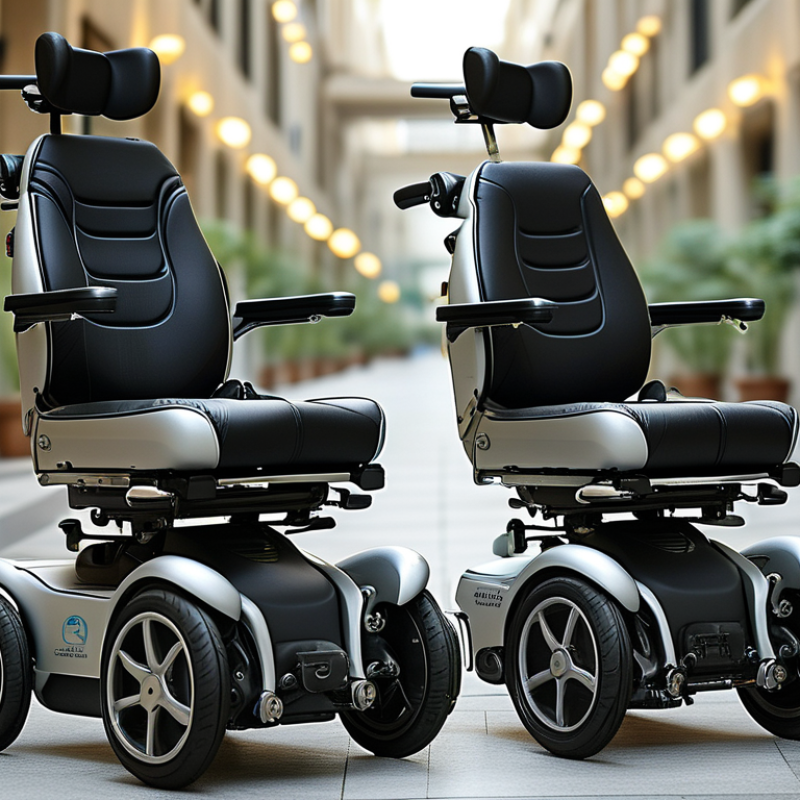
Introduction to Medical Electric Wheelchairs
Medical electric wheelchairs are essential for many with mobility challenges. The World Health Organization (WHO) estimates that over 65 million people globally require wheelchairs. This highlights the growing need for reliable mobility aids. A well-designed electric wheelchair offers independence, mobility, and improved quality of life.
Research indicates that electric wheelchairs significantly enhance mobility for individuals with physical disabilities. According to a study from the National Institutes of Health, users of electric wheelchairs report increased social interactions and less isolation. However, not all products meet the necessary safety and comfort standards. Users must consider their specific needs carefully. The wide range of models can lead to confusion, and choosing the wrong one can hinder mobility.
A report from the Assistive Technology Industry Association suggests that proper training is equally important. Users should learn how to operate their wheelchairs effectively. Moreover, maintenance is often overlooked, yet it’s crucial for longevity. Poor maintenance can lead to mechanical failures, resulting in mobility issues. Therefore, prospective buyers must reflect on both the features of the wheelchairs and their personal requirements.
Key Features to Consider When Choosing a Medical Electric Wheelchair
When selecting a medical electric wheelchair, several key features deserve attention. Weight capacity is crucial. Ensure the wheelchair can comfortably support the user’s weight. A model’s weight directly affects its mobility and ease of transport. Look for a unit that balances sturdiness and portability.
Battery life is another essential aspect. A reliable electric wheelchair should have a long-lasting battery. Users should consider how often they will use the chair and plan for daily needs. Regularly checking the battery health can prevent unexpected breakdowns.
Tip: Always test the wheelchair before purchasing. Experience the comfort and functionality. This step ensures the chair fits the user’s specific needs and preferences.
The adjustable seating feature adds to user comfort. Optimal positioning can prevent pressure sores. Look for options with adjustable armrests and footrests to enhance your experience.
Tip: Don’t overlook the importance of maneuverability. A wheelchair’s size can affect its ability to navigate tight spaces, like doorways or crowded areas. Ensure the chair fits comfortably in your home environment.
Top 5 Medical Electric Wheelchairs for Global Buyers
| Model | Weight Capacity | Range per Charge | Top Speed | Turning Radius | Seat Width |
| Model A | 300 lbs | 15 miles | 5 mph | 25 inches | 18 inches |
| Model B | 350 lbs | 18 miles | 4 mph | 28 inches | 20 inches |
| Model C | 400 lbs | 20 miles | 6 mph | 30 inches | 22 inches |
| Model D | 250 lbs | 12 miles | 5 mph | 24 inches | 17 inches |
| Model E | 300 lbs | 16 miles | 4 mph | 26 inches | 19 inches |
Top 5 Electric Wheelchairs: Overview and Specifications
When searching for electric wheelchairs, considerations go beyond basic mobility. You need to look at performance, comfort, and user needs. A good electric wheelchair should balance speed, range, and ease of use. Many users require a chair that adapts to daily routines and offers independence.
Battery life is crucial. Most models provide a range, but not all can handle daily commutes. Some might last for a short trip, while others allow for longer use. Users often experience frustration with insufficient battery power. Maneuverability in tight spaces adds another layer of importance. A wider turning radius may complicate indoor navigation.
Weight capacity is another critical aspect. Some electric wheelchairs accommodate higher weights, while others do not. Users should check the specifications thoroughly. Features like adjustable seating and customizable controls enhance comfort. Durability and materials also play a role. They determine how long the chair will last with regular use. Finding the right combination can significantly improve the user experience.
Comparison of Performance in Different Environments
When choosing a medical electric wheelchair, performance in various environments is crucial. Different terrains can significantly affect a wheelchair's capabilities. For instance, indoor use requires compact designs for maneuverability in narrow spaces. These models excel on smooth surfaces but may struggle with uneven ground.
Outdoor performance is another story. Wheelchairs designed for rough terrains often feature sturdy wheels and enhanced suspension systems. They can navigate grass, gravel, and inclines much more effectively. However, these models may be bulkier, making them less practical for indoor use. Finding the right balance between indoor and outdoor capabilities can be challenging.
Weather conditions add another layer to this complexity. Wet or snowy environments demand wheelchairs with better traction. Some users find their models are not reliable in slippery conditions. Each user must reflect on their specific needs. The goal is to find a wheelchair that performs well across different settings, while still being comfortable and practical.
User Reviews and Recommendations for Each Wheelchair Model
Electric wheelchairs have transformed mobility for many users. Reviews from individuals highlight comfort, battery life, and maneuverability as key factors. According to a recent survey, over 75% of users prioritize comfort in their selection process. A model praised for its spacious seat often receives high ratings for long-term use.
Feedback reveals that while some wheelchairs excel in speed, they may sacrifice stability. More than 60% of users experienced difficulty on uneven surfaces. This raises an important point about terrain adaptability. Wheelchair users should thoroughly test models in various environments. Personal experiences vary greatly. What fits one person might not suit another, so individuality must be considered.
Battery life is crucial. A report indicates that users desire at least 15 miles of travel per charge. Deficiencies in this aspect can lead to user frustration. It’s essential to research and pinpoint models with advanced battery technology. Also, consider weight capacity. Some individuals find existing models do not meet their needs. Always check specifications and read user reviews for insights.
