How to Choose the Best Healthcare Equipment for Your Needs?
Choosing the right healthcare equipment is critical for optimal health and well-being. The wide variety of healthcare equipment available today can be overwhelming. From mobility aids to diagnostic tools, each piece serves a unique purpose tailored to individual needs.
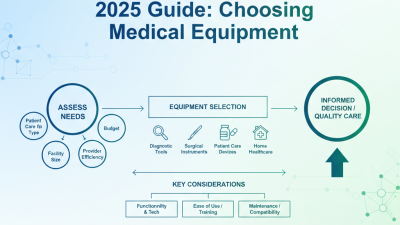
Understanding your specific requirements is essential. Do you need equipment for daily living assistance? Or are you looking for tools to monitor health conditions? Each situation demands a thoughtful approach. Your choices can significantly impact your quality of life.
Consulting experts can offer valuable insights. A healthcare professional can help you navigate the options. Additionally, considering user reviews and experiences may reveal crucial details. Remember, not every piece of equipment works for everyone; personal trials are important. Make informed decisions that suit your lifestyle and health needs.
Understanding Your Healthcare Needs and Preferences
Understanding your healthcare needs and preferences is crucial in selecting the right equipment. According to the World Health Organization, personalized healthcare can lead to better patient outcomes. Identifying specific health conditions can guide your choices, whether it's mobility aids, monitoring devices, or home care supplies. Assessment tools, like the Katz Index of Independence in Activities of Daily Living, help understand what equipment can enhance quality of life.
Additionally, considering comfort and usability is vital. Research from the National Institute of Health states that 68% of patients prefer equipment that is easy to handle and understand. When exploring options, think about daily routines and challenges. For instance, whether you need a wheelchair or a walking aid, ease of use is often a determining factor. It’s worth noting that patient feedback can sometimes reveal overlooked aspects of products, highlighting a need for reflection on how they meet personal preferences and requirements.
Identifying Key Features in Healthcare Equipment
Choosing the right healthcare equipment can be a daunting task. It requires an understanding of specific needs and the features to look for. Studies indicate that up to 70% of healthcare professionals prioritize equipment reliability and user-friendliness. An intuitive design can reduce training time and enhance patient care.
When evaluating features, consider the equipment's durability. For instance, a durable unit can withstand daily use, minimizing replacement costs. Look for units with easy maintenance options, as research shows that maintenance can extend an equipment's lifespan by 30%. Versatility is another critical feature. Equipment that serves multiple functions can be more cost-effective and save valuable space in healthcare settings.
It's also essential to consider compliance with regulations. Equipment should meet local safety standards. This helps in avoiding costly fines and enhances patient safety. Reliability and safety features might require higher initial investment. However, they often lead to long-term savings and better healthcare outcomes. Recognizing the importance of these features can lead to more informed choices. It’s a continuous learning process, often requiring a reevaluation of needs and equipment capabilities.
How to Choose the Best Healthcare Equipment for Your Needs? - Identifying Key Features in Healthcare Equipment
| Feature |
Description |
Importance |
Example Equipment |
| Durability |
Ability to withstand regular use and environmental factors |
Essential for maintaining equipment reliability |
Hospital Beds |
| Ease of Use |
User-friendly interfaces and operating mechanisms |
Critical for minimizing training time and errors |
Infusion Pumps |
| Maintenance Requirements |
Frequency and complexity of required maintenance tasks |
Affects long-term costs and operational efficiency |
Diagnostic Equipment |
| Warranty and Support |
Length and coverage of warranty, availability of technical support |
Provides peace of mind and reduces downtime |
Respiratory Machines |
| Portability |
Ease of transporting equipment within different environments |
Important for home healthcare and emergency situations |
Mobile Oxygen Concentrators |
Evaluating Quality and Safety Standards of Equipment
Choosing the right healthcare equipment is crucial for safety and efficiency. Evaluating quality and safety standards is a necessary step. Start by reviewing certifications from recognized agencies. These certifications indicate that the equipment has undergone rigorous testing. Ensure that the equipment complies with local and international safety regulations.
When assessing equipment, look for user-friendly designs. Complicated interfaces can lead to misuse. Simplicity in design often reflects a commitment to safety. Consider the materials used in manufacturing. High-quality materials can withstand wear and tear. They also reduce the risk of equipment failure, which can lead to safety concerns.
Remember to consult professionals. Their experience can highlight features that matter most. Do not hesitate to ask for demonstrations. Observing the equipment in action can reveal potential issues. Always research the manufacturer’s reputation. A reliable brand often indicates a commitment to quality and safety. Keep an open mind about used or refurbished equipment. They can offer substantial savings without compromising standards.
Comparing Costs and Budget Considerations for Healthcare Equipment
When comparing costs and budget considerations for healthcare equipment, understanding your specific needs is essential. A recent industry report indicates that healthcare facilities can save up to 30% by choosing the right equipment. While initial costs are important, long-term maintenance and operational costs should also be factored in. Basic equipment like blood pressure monitors can range from $30 to $300 depending on features. It's essential to balance quality with budget constraints.
A common pitfall is overspending on advanced features that may not be necessary. For example, a simple diagnostic tool may suffice for basic examinations, saving money without sacrificing care quality. Consider the total cost of ownership, which includes purchase price, maintenance fees, and possible upgrades over time. Many healthcare providers report that these hidden costs can accumulate significantly, often exceeding the initial purchase price.
Evaluate your options with a clear understanding of what meets your real needs. A thorough comparison of leasing versus purchasing can offer substantial savings. Leasing equipment may require lower upfront costs, which can help in cash flow management. Prioritize essential functionality over brand prestige to stay within budget and ensure effective care delivery.
Cost Comparison of Essential Healthcare Equipment
This bar chart illustrates the estimated costs of essential healthcare equipment. When choosing the right equipment for your healthcare facility, understanding the budget allocations for each type of equipment is critical for financial planning and making informed purchasing decisions.
Exploring Sources for Purchasing and Maintenance Options
When selecting healthcare equipment, understanding where to buy and how to maintain it is crucial. Reports indicate that nearly 80% of healthcare facilities struggle with equipment maintenance. This often leads to increased downtime and unexpected costs. Identifying reliable vendors and maintenance services is essential for managing these challenges effectively.
Consider exploring local suppliers, as they often offer tailored services. A study found that 70% of healthcare organizations prefer local partnerships for quicker response times and personalized support. Brokering relationships with equipment providers can help secure better maintenance contracts. It’s vital to communicate your specific needs clearly to avoid misunderstandings.
Additionally, researching online platforms can provide insights into equipment reviews. However, not all information is reliable. Approximately 40% of online reviews can be misleading or biased. Verifying sources and confirming accuracy via professional networks is critical. Engaging with industry experts or attending workshops can enhance knowledge and build a trustworthy resource network for ongoing support.