Why Choose a Reclining Wheelchair for Better Comfort?
In today's world, comfort in mobility devices is a pressing concern. A Reclining Wheelchair can significantly enhance the user experience. Research shows that around 70% of wheelchair users prioritize comfort in their daily lives. Traditional wheelchairs may not meet these needs.
The Reclining Wheelchair offers versatile seating solutions. It allows users to adjust their posture, reducing pressure sores. According to the National Pressure Ulcer Advisory Panel, pressure injuries affect over 2.5 million patients annually. This statistic highlights the urgent need for products like recliners.
However, relying solely on comfort can overlook crucial factors. Buyers should consider weight, price, and ease of use. The industry lacks standardized testing for many reclining models. This leaves users to navigate a complex market. Quality and safety must remain paramount in their choices, fostering an ongoing discussion about enhancing design and functionality in reclining wheelchairs.
Understanding the Basics of Reclining Wheelchairs
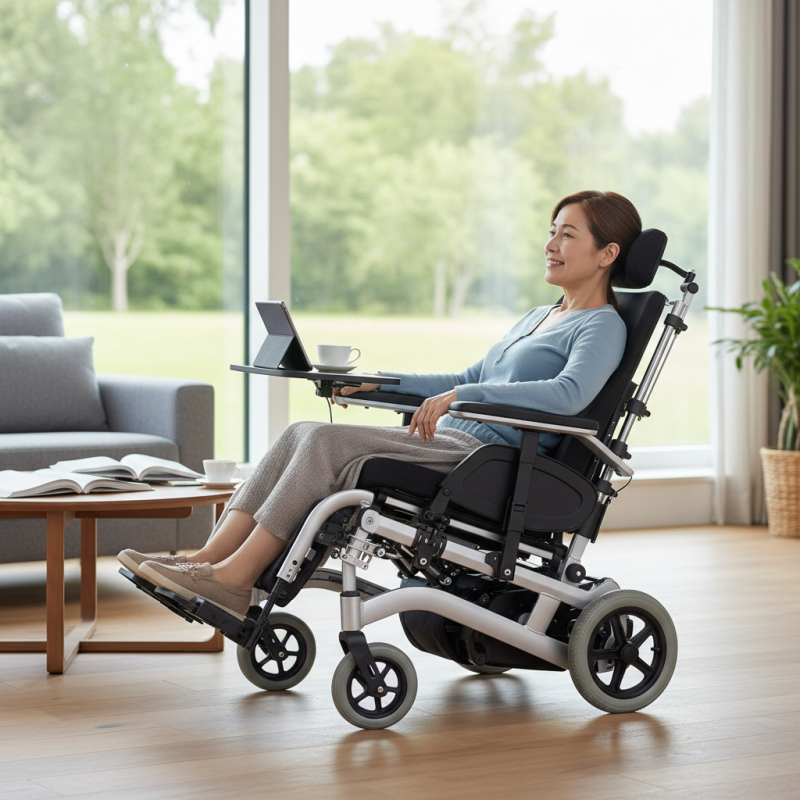
Reclining wheelchairs offer unparalleled comfort for users. These wheelchairs can tilt back, allowing the user to rest more easily. This feature is beneficial for those who spend long hours in a chair. By shifting positions, users can reduce discomfort and prevent pressure sores.
Tips for selecting the right reclining wheelchair:
1. Consider the weight capacity. Each model has its own limit.
2. Test the reclining angle before purchasing. Finding a comfortable position is essential.
3. Check the materials used for cushions. Comfort is influenced by cushion quality.
The design of reclining wheelchairs isn’t just for show. They often feature adjustable leg rests too. This allows for better circulation. However, users should be aware that not every wheelchair suits their needs. Some may find that while reclining brings comfort, it limits mobility. This balance is key.
Remember to consult with healthcare professionals. Their guidance can make a significant difference. Individual needs vary, and finding the right fit might take time. Adjustments can be cumbersome, but it's necessary for ultimate comfort.
Key Benefits of Using a Reclining Wheelchair
Choosing a reclining wheelchair can significantly enhance comfort for users. These chairs provide excellent support for the back and neck. Users can adjust the angle of the backrest to find their ideal position. This adjustment can help reduce pressure on the hips and spine. Many users report feeling more relaxed after using a reclining wheelchair.
Another benefit is the versatility these chairs offer. They are useful for both short periods and long durations. When seated, users can easily change positions. This prevents soreness that sometimes occurs in traditional chairs. Some reclining wheelchairs come with leg rests that elevate the feet. This feature can improve circulation and minimize fatigue.
However, not every user may find a reclining wheelchair perfect. Adjusting to a new chair takes time. Some might struggle with the controls at first. The weight of the reclining wheelchair can also be a concern for some. It's essential to consider individual needs before making a decision. Finding the right fit might require testing several models. Comfort impacts day-to-day life, making careful consideration necessary.
Comparative Analysis: Reclining vs Standard Wheelchairs
Reclining wheelchairs offer significant benefits compared to standard models. They provide superior comfort by allowing users to adjust their position. This feature is especially crucial for those with pressure sores or limited mobility. According to a study published by the National Institutes of Health, approximately 25% of wheelchair users experience skin problems. Reclining chairs can help alleviate this issue.
Moreover, reclining wheelchairs help improve circulation. When in a seated position for extended periods, blood flow can become restricted. A report by the Rehabilitation Institute highlights that regular repositioning reduces the risk of circulatory issues. Users who can recline their chairs reported a 30% decrease in discomfort during long periods of use.
However, not all users may find reclining wheelchairs suitable. Some may struggle with the mechanism or feel uneasy during transitions. Additionally, these chairs tend to be heavier, making them less portable. This can be a concern for caregivers. Balancing comfort and usability is critical. Each user's needs are unique, and what works for one might not work for another. Consideration is essential when selecting the right wheelchair type.
Comparison of Comfort Levels: Reclining Wheelchair vs. Standard Wheelchair
Features to Consider When Choosing a Reclining Wheelchair
When selecting a reclining wheelchair, several features can enhance comfort and usability. One critical aspect is adjustability. The ability to change the angle of the backrest allows users to find their most comfortable position. Data shows that 73% of wheelchair users prefer adjustable options. This flexibility reduces the risk of pressure sores, which affect nearly 25% of long-term users.
Another important feature is seat width and depth. A properly fitted seat distributes weight evenly. This is vital for preventing discomfort and improving posture. Studies indicate that improper fit is a leading cause of discomfort in wheelchairs. A good rule of thumb is to ensure a two-inch gap on each side of the hips. This detail is often overlooked but plays a significant role in overall comfort.
Finally, consider the materials used in the wheelchair's construction. Lightweight materials can make maneuvering easier. Yet, some may sacrifice durability for the sake of weight. Balancing these factors is crucial. More often than not, decisions require trade-offs, and recognizing this can lead to better choices in the long run.
Why Choose a Reclining Wheelchair for Better Comfort? - Features to Consider When Choosing a Reclining Wheelchair
| Feature | Description | Benefits |
| Adjustable Recline | Allows users to change the angle of the backrest for personalized comfort. | Enhances relaxation and reduces pressure on the back. |
| Leg Elevation | Feature that lifts the legs to improve circulation and reduce swelling. | Promotes better blood flow and comfort for lower body. |
| Padded Seats | Comfortable cushioning on the seat and backrest. | Reduces fatigue during prolonged use. |
| Tilt Function | Allows tilting of the wheelchair to various degrees. | Helps in pressure relief and better sitting posture. |
| Customizable Armrests | Adjustable height and width for better fit. | Increases comfort and support for arms. |
| Durable Frame | Sturdy construction to support various weights. | Ensures longevity and stability. |
| Foldable Design | Easy to fold for transport and storage. | Convenient for travel and reduces space when not in use. |
How Reclining Wheelchairs Enhance Comfort for Users
Reclining wheelchairs are designed to improve comfort for users. This type of wheelchair allows the seat to tilt backward. This feature helps to reduce pressure on the lower back. Users can find a more comfortable position, especially during long periods of sitting.
Many people experience discomfort after hours in a standard chair. A reclining wheelchair can alleviate some of that strain. Adjustable backrests and leg rests can help create a customized fit. This flexibility is crucial for those with limited mobility. Adjusting positions frequently can minimize soreness and muscle fatigue.
However, it is important to consider potential downsides. Some users might find it difficult to adjust seats alone. This could lead to feelings of frustration or dependence. Additionally, the heavier structure of reclining models might limit transport options. Reflection on these points can lead to a more informed choice.
