How to Choose the Best Home Health Supplies for Your Needs?
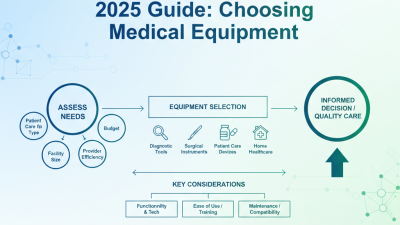
Choosing the right Home Health Supplies can significantly impact your well-being. With a myriad of options available, it’s essential to assess your specific needs. Quality supplies not only enhance comfort but also support recovery.
Understanding what to look for is key. Consider factors such as functionality, durability, and ease of use. These elements are crucial when selecting items like mobility aids, incontinence products, or daily living aids. Each category demands a different level of attention.
Expert insights and reliable sources can guide your choices. Yet, personal experiences shape our preferences. Reflect on what worked or did not work for you in the past. This reflection can lead to better decisions in selecting Home Health Supplies.
Understanding Different Types of Home Health Supplies Available
When selecting home health supplies, understanding the variety available is key. These supplies cater to a wide range of medical needs. From mobility aids, like walkers and wheelchairs, to daily living aids such as grab bars and shower chairs, the options are extensive. Each product targets specific challenges faced by individuals in their daily lives.
It's crucial to assess the specific needs of the intended user. Some may require supplies for post-surgery recovery, while others may need tools for chronic conditions. Consider items that promote independence and safety. For example, non-slip mats can prevent falls. These details matter greatly in choosing the right supplies.
Don’t overlook the importance of comfort and usability. Some supplies may look good but fail in practicality. Regular evaluation of the supplied items can highlight inefficiencies. Reflect on the day-to-day experience they provide. This reflection can lead to better choices moving forward.
Assessing Your Personal Health Care Needs and Conditions
Assessing your personal health care needs is crucial when selecting home health supplies. Understanding your specific conditions guides you in making informed choices. For someone managing diabetes, blood glucose monitors become essential. If mobility is an issue, mobility aids like canes or walkers are vital. Each condition demands different tools, requiring thoughtful consideration.
Consider how your daily life is impacted by your health. Some individuals may need supplies that promote independence, while others require supportive devices for home care. Reflect on your routines. Do you often face fatigue? A quality support cushion may improve your comfort. If you experience joint pain, flexibility in mobility devices can enhance your mobility.
Keep in mind that not every product works for everyone. What benefits one person might not suit another's needs. This reality emphasizes the importance of personal assessment. Be open to trying different solutions, and don’t hesitate to seek professional advice. It’s okay to admit uncertainty in your choices. Thoughtful reflection leads to better outcomes and improved quality of life.
How to Choose the Best Home Health Supplies for Your Needs
This chart illustrates the distribution of essential home health supplies based on various personal health care needs and conditions. The data reflects common categories of supplies and their relative importance among users.
Evaluating Quality and Safety Standards of Health Supplies
When selecting home health supplies, evaluating their quality and safety standards is crucial. Begin by looking for products that comply with established regulations. Look for certifications from recognized organizations that ensure the supplies meet safety requirements. Not all products may have these certifications, so it's vital to do your research.
Consider the materials used in these supplies. Non-toxic and hypoallergenic options can reduce the risk of adverse reactions. Check for user reviews and testimonials, as they provide insights into the product's reliability. Remember, personal experiences can vary widely. What works for one person might not work for another.
Additionally, think about the usability of the items. Some may look good but fail in function. Products should be easy to handle, especially for those with limited mobility. Seek out detailed product descriptions and instructions. Trustworthy suppliers often provide this information. Being informed can prevent mishaps and ensure the safety of those who rely on these supplies.
Comparing Costs: Budgeting for Home Health Supplies
When choosing home health supplies, budgeting is crucial. According to a report from the National Home Infusion Association, home health care expenses can average $27,000 annually for patients. This number varies depending on individual needs and specific supplies. Having a clear budget is key, especially for families with limited financial resources.
Costs can range widely. Basic supplies like bandages and gloves may only cost a few dollars a week. However, more specialized equipment, such as wheelchairs or oxygen tanks, can soar into the thousands. Interestingly, nearly 30% of families report unexpected expenses related to home health supplies. This underscores the importance of thorough research and planning. Some items may seem affordable initially but can have hidden costs over time.
Understanding insurance coverage adds complexity. Many plans do not cover home health supplies fully, leading to out-of-pocket expenses. The Healthcare Cost Institute found that about 45% of individuals are not aware of their insurance benefits related to home health supplies. This lack of awareness can lead to financial strain. Monitoring and forecasting expenses can help mitigate surprises and maintain necessary care without excessive financial burden.
Consulting Healthcare Professionals for Expert Recommendations
Consulting healthcare professionals is essential when choosing home health supplies. These experts possess valuable knowledge about various health conditions and treatments. They can guide you toward products that meet your specific needs. For instance, a nurse may recommend particular mobility aids based on your physical capabilities. This personalized advice can prevent the overwhelming task of selecting from countless options.
Additionally, healthcare providers can highlight product features that matter most. They understand the importance of comfort and safety in home health supplies. A doctor might suggest durable materials or easy-to-use designs to enhance your daily life. This collaboration helps you avoid mistakes that could lead to unnecessary expenses or discomfort.
It’s important to ask questions during consultations. Are there alternatives to what you’re considering? Do you need specialized equipment tailored to your condition? Don’t hesitate to express your concerns. This dialogue ensures that you receive recommendations that truly benefit you. Remember, the right advice can make a significant difference in your health journey.
How to Choose the Best Home Health Supplies for Your Needs?
| Supply Type |
Common Uses |
Considerations |
Consultation Tips |
| Wheelchairs |
Mobility assistance for patients with limited movement. |
Weight capacity, adjustability, ease of use. |
Consult with occupational therapists for recommendations. |
| Oxygen Concentrators |
Provides supplemental oxygen for respiratory conditions. |
Portability, power source, ease of operation. |
Speak with a pulmonologist regarding specific needs. |
| Blood Pressure Monitors |
Monitoring blood pressure at home. |
Digital vs. manual, accuracy, ease of use. |
Consult a healthcare provider for device recommendations. |
| Incontinence Products |
Support for individuals with bladder control issues. |
Absorbency level, comfort, size options. |
Discuss with a urologist for personalized advice. |
| First Aid Kits |
For minor injuries and emergencies. |
Contents, ease of access, expiration dates. |
Consult a healthcare provider to ensure proper contents. |